
How to Choose a Millwork Shop for a NYC Restaurant
The short answer: choose a shop that does it all under one roof (drawings, fabrication, installation), has real restaurant experience, builds for durability, coordinates with your GC, and competes on value, not the lowest bid. Restaurant casework takes constant abuse and has to be installed on a hard opening date — the wrong shop costs you both.
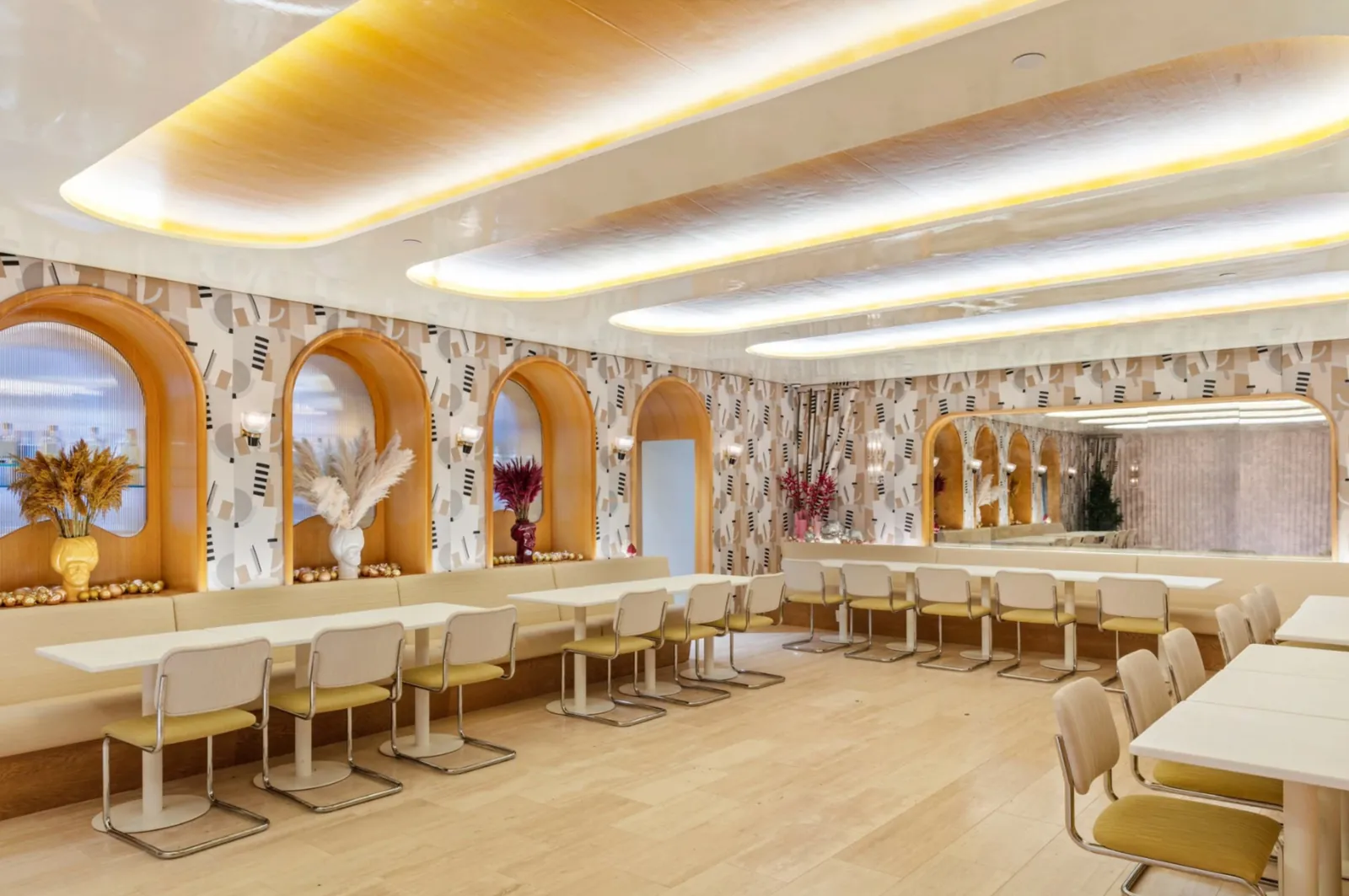
Why restaurant millwork is its own discipline
Restaurants are one of the most demanding environments for millwork. Because the casework is exposed to constant use — bumped, wiped down, loaded, and leaned on every day — it has to be built stronger and finished tougher than residential cabinetry. Add the realities of a NYC build-out — a fixed opening date, multiple trades on one tight schedule, and difficult building access — and it's clear why the shop you pick matters as much as the design.
The five things to look for
1. Full-service capability
The smoothest projects use one shop for shop drawings, fabrication, and installation. One accountable team means no finger-pointing between a drafter, a builder, and an installer when something needs to align.
2. Proven hospitality experience
Ask to see restaurants, bars, and clubs they've actually built. Hospitality millwork has quirks — banquettes, bars, host stands, service stations — that reward experience. (Cano's, for context, has built for spaces like Zero Bond, Sartiano's, Cucina Alba, and Jajaja Mexicana.)
3. Durability & quality control
Look for controlled-shop fabrication, high-grade materials, and a piece-by-piece quality check before anything leaves the shop and again at install.
4. Coordination with your GC
The shop should work directly with your general contractor or PM to sequence delivery and installation around the other trades — critical on interior build-outs with everyone on one clock.
5. Value over lowest bid
For high-traffic spaces, custom millwork usually delivers better long-term value even at a higher upfront cost. The lowest bid often becomes the most expensive option once rework and replacement are counted.
These criteria align with guidance from hospitality-millwork specialists including NYC Millwork and SENTIENT.
The best predictor of a smooth restaurant build is a single, full-service shop with real hospitality references and an installation crew of its own — not the cheapest quote.
Questions to ask any shop
- Do you produce your own shop drawings, or sub them out?
- Can I see restaurants you've built — and talk to those GCs or designers?
- Do you fabricate in-house, and do you install with your own crew?
- How do you build for restaurant-grade durability?
- How do you coordinate delivery and install around our other trades and our opening date?
Red flags
- A bid with no shop drawings behind it.
- No restaurant or hospitality references.
- Fabrication or installation farmed out to third parties with no single point of accountability.
- A price that's dramatically lower than everyone else's — it usually means something's missing.
Building a restaurant, bar, or club?
Cano's has built millwork for some of New York's most demanding hospitality spaces — drawings to installation, on the opening date. Send us the project.
Start a project →Frequently asked questions
How do I choose a millwork shop for a restaurant?
Prioritize full-service capability (drawings, fabrication, install under one roof), proven hospitality experience, durable construction, GC coordination, and value over the lowest bid.
Why is restaurant millwork different?
It's exposed to constant heavy use, so it must be built stronger and finished tougher than residential casework — and installed on tight, coordinated construction timelines.
Should I take the lowest bid?
Usually not. For high-traffic spaces, the lowest bid often costs more over time through rework, replacement, and delays.